Devolution + Reorganisation: Why Councils Must Build Capability, Not Just Buy Capacity
I’ve had so many conversations over the past couple of weeks with both clients and colleagues about the sheer complexity we’re facing in local government right now.
The intersection of reorganisation, devolution, planning reform, and Place is overwhelming. How do we even get our heads above the trees, let alone get on track to deliver?
The theme that keeps coming up is resources, not just finding new capacity and capability, but enabling what we already have. Giving people the bandwidth and time to think through these challenges before we even talk about delivery on this massive challenge.
Alongside this, I’ve been developing work in the GenAI space, particularly in relation to training senior leaders, executives and then teams through my fractional role with The Incremental Pathway. In the private sector big law firms, insurance companies and other highly regulated organisations leaders have already grasped the urgency. They understand that AI and GenAI aren’t just incremental improvements to business and productivity; they’re critical in a world where knowledge is no longer locked in institutions but available at the click of a keyboard. These organisations know that the next wave of disruption will come from GenAI-enabled challengers people using these tools to scrutinise, contest, and even litigate. There's already been a lot of noise in my own planning domain in the last week on AI powered Nimbyism!
 Aisha Down
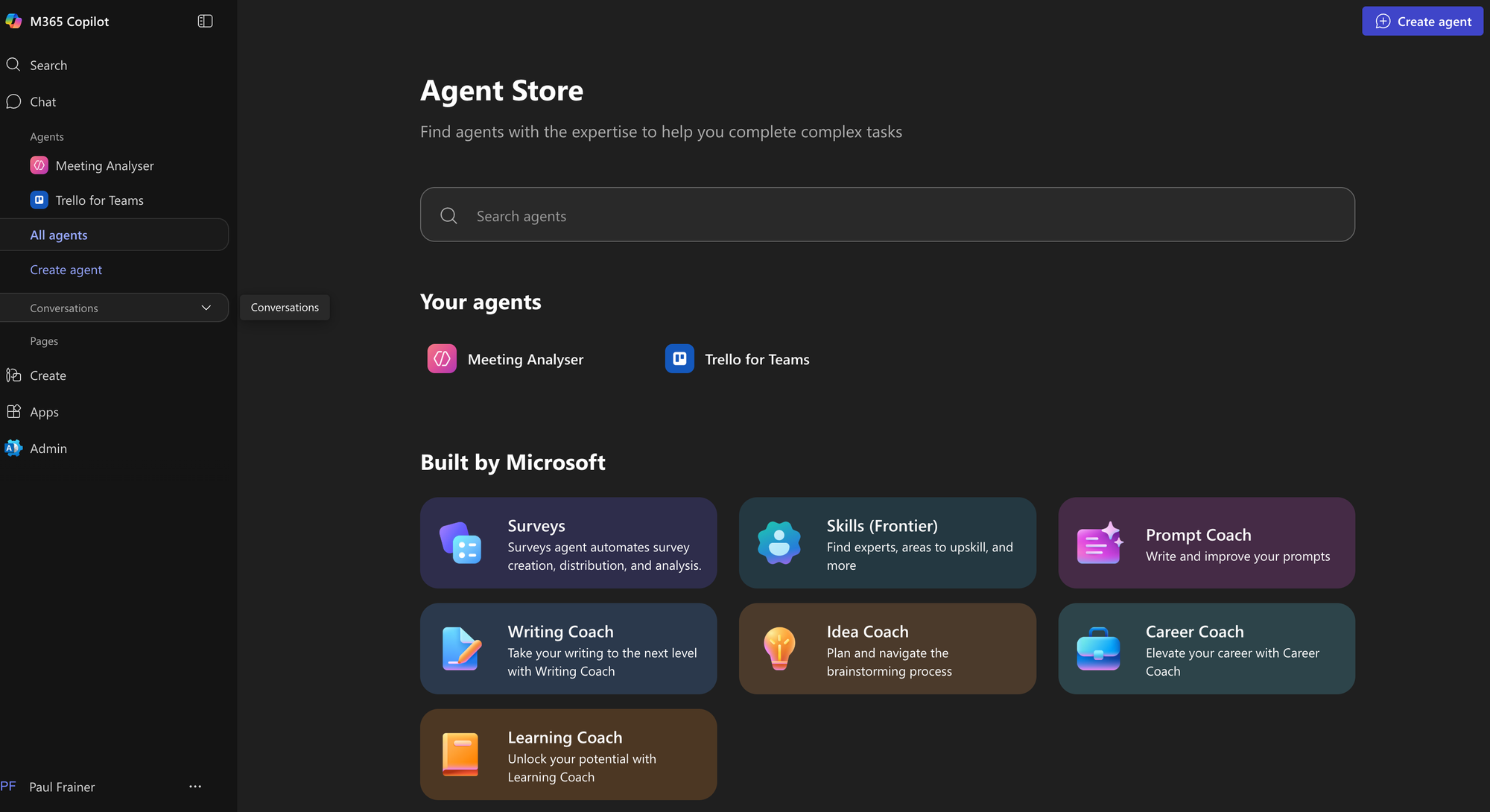
This flips the balance of power in the knowledge economy. Consulting has always thrived on knowledge asymmetry but GenAI changes that. Tools like Microsoft 365 Copilot, ChatGPT, and Gemini put extraordinary capability at everyone’s fingertips. For local government, this isn’t optional. Councils need to embed these tools into transformation not just for productivity, but for resilience. Because the next challenge may not come from Whitehall; it may come from a citizen armed with GenAI, contesting a planning decision or challenging governance.
We need to fight fire with fire. That means building capability inside councils, not outsourcing it. It means freeing time for leaders to think, and equipping teams to use these tools confidently and ethically. This isn’t about tech for tech’s sake it’s about survival in a knowledge economy that’s been fundamentally rewritten.
England is entering a generational shift in governance. The English Devolution and Community Empowerment Bill (July 2025) sets out a new statutory framework for devolution, creating Strategic Authorities across the country and giving Mayors expanded powers over transport, housing, planning, skills, and economic growth. Alongside this, the Bill enables the Secretary of State to mandate local government reorganisation moving from two-tier to unitary structures to simplify governance and improve efficiency.
This dual reform agenda devolution and LGR running in parallel is intended to streamline decision-making and empower local leaders. But it also creates a perfect storm of complexity: new governance tiers, overlapping functions, and a compressed timetable for councils to reorganise while maintaining statutory services.
The Capacity Paradox
The Bill promises empowerment but without fiscal devolution or certainty on integrated funding, Strategic Authorities risk inheriting responsibility without resources. Think tank analysis warns of limited new tax-raising powers and uncertainty over long-term funding, leaving councils to deliver transformation under severe financial strain.
Meanwhile, the workforce picture is stark:
- 94% of councils report recruitment difficulties (LGA).
- Planning teams face >90% vacancy rates and 97% skills gaps (RTPI).
- Public Practice finds many LPAs stuck at statutory minimum delivery.
External consulting capacity is finite and expensive and often of average quality (off the shelf reports that no one has the capacity to read let alone implement). Even if the market could scale, outsourcing knowledge is a short-term fix that leaves councils exposed when contracts end.
Turning the Consulting Model on Its Head
Traditional consulting thrives on knowledge asymmetry: you buy expertise because you don’t have it. That model breaks under the weight of what’s coming.
The alternative? Build and insource capability while you deliver change.
- Equip leaders and teams to use GenAI as a thinking partner, not just a task tool.
- Create Time Capital freeing 15–20% of leadership bandwidth for transformation.
- Embed new behaviours and operating rhythms so councils own the change, not the consultants.
This is not about “AI training.” It’s about adaptive leadership and functional redesign using technology and new ways of working to create space, then reinvesting that space in building the future.
Why This Matters for LGR + Devolution
Reorganisation and devolution are not just governance exercises. They demand:
- Shadow → Vesting Day readiness: safe and legal continuity while standing up new structures.
- Corporate TOM design: finance, HR, ICT, legal consolidation.
- Data migration and digital standards: critical path for service continuity.
- Neighbourhood governance: new statutory duties under the Bill.
- Political and partner management: locality models to maintain democratic connection.
And all of this while delivering statutory services under intense financial pressure.
Why This Matters for Planning and Place
The Bill intersects with the Levelling-Up and Regeneration Act 2023 and the forthcoming Planning & Infrastructure Bill, accelerating:
- 30-month plan-making and NDMP primacy.
- Digital-first planning and spatial development strategies.
- Mayoral call-in powers for strategic applications.
Without capability uplift, councils risk plan voids, speculative applications, and missed growth opportunities potentially forfeiting £bn's in economic value over a decade.
The Principle: Councils Must Own the Change
Every artefact, every process, every insight should live inside the organisation not in a consultant’s slide deck. That means:
- Co-delivery, not outsourcing: consultants as coaches, not doers.
- Reusable playbooks and prompts: embedded in your systems and teams.
- Leadership fluency: CEOs and Directors modelling the behaviours they expect.
Because when the dust settles, councils will still be here. The consultants won’t.
A Call to Collaboration
This is not about selling products or services. It’s about building a movement for sustainable transformation in local government. One that recognises:
- The scale of the challenge.
- The limits of the market.
- The imperative to insource capability as we reorganise, devolve, and still deliver.
If you’re owning any of this agenda from Chief Executives and Directors or political leaders and operational delivery teams and have started grappling with these questions, let’s not talk about contracts and procuring knowledge, but about how we build the capacity and confidence to lead this change from within.